
Staff represent the biggest and most strategically important investment any financial advice firm can make – their salaries comprise, on average, 44.9% of a firm’s revenue, representing 60% of total expenses. With 68% of firms telling us that they are looking to hire new staff within the next 12-months, the battle for talent continues to rage.
There’s no need to remind practice owners of the importance of their staff, they are the frontline for so many client interactions. Finding the person who is just right for your business and keeping them productively engaged, is the challenge for every business owner.
We recently released, in conjunction with Advisely by Iress, our latest research findings into the current salaries and benefits being offered in Australian advice firms. We looked at; the current situation, what’s changed over the past two years, what hasn’t and, perhaps what should have. And of course, Australian advice firm’s employee and hiring plans for the year ahead. (Surely compulsory reading for employers and staff alike!)
Perhaps it shouldn’t come as a big surprise that we found, despite all the benefits working-from-home can provide, many businesses are now mandating a return to the office (wholly or hybrid) in an attempt to address specific concerns relating to company culture, collaboration, productivity and leadership oversight. While these concerns are being influenced in the main by larger, institutional based businesses, the back to office trend has reached Australian advice firms.
Mandating a return to the office – a good or a bad thing?
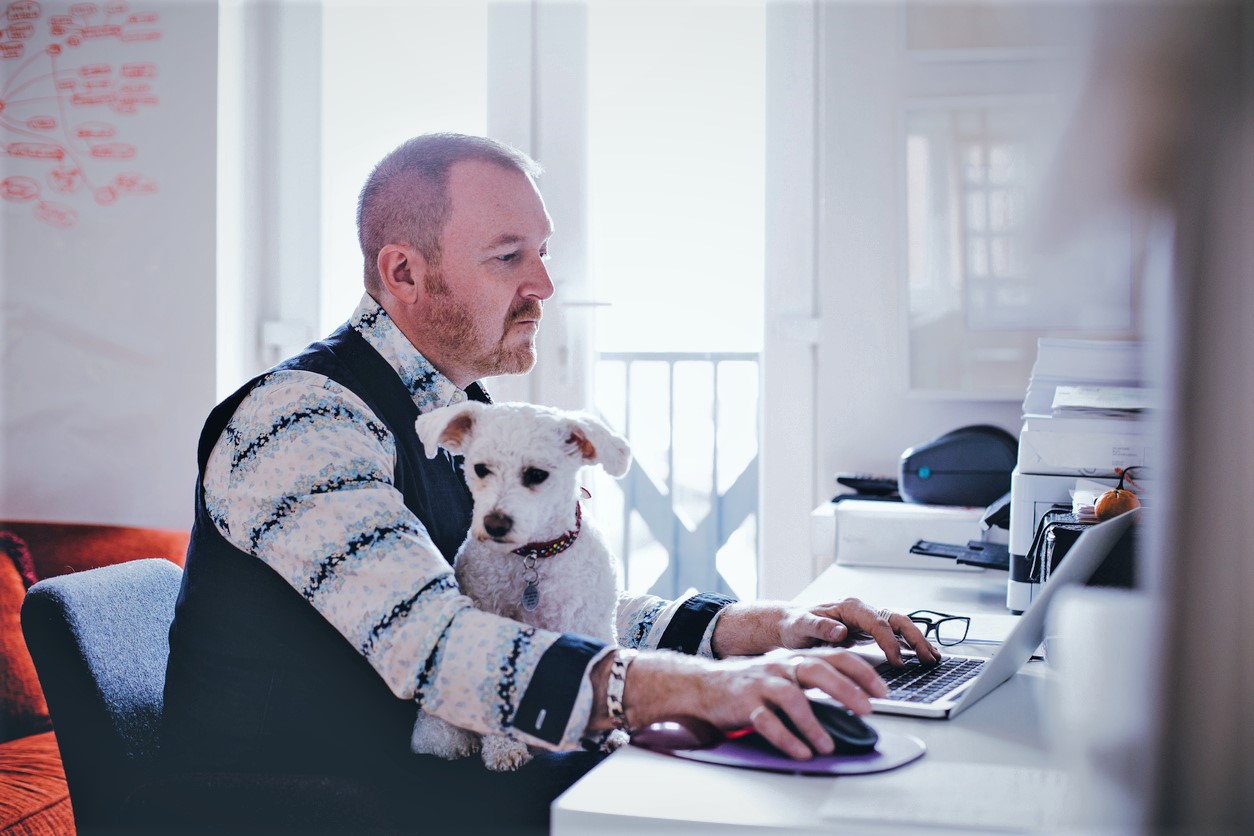
As we learned through the pandemic/post pandemic years, when done well, flexible work-from-home options offer significant benefits for both employers and employees.
Operating a remote work environment allows employers to access to a far wider talent pool, with the potential for lower operational costs, higher employee retention and reduced absenteeism. To further accentuate these benefits, employees consistently report improved work-life balance, increased flexibility, significant cost savings, reduced stress, a healthier lifestyle and fewer workplace distractions.
Our research revealed 88% of advice firms were currently offering their employees the option of working from home; slightly down from our 2023 findings, with the drop most prevalent in the regional/rural practices where only 78% now allow for remote work – down from 95% two years ago and a major shift from our 2023 survey results and one we fear could very well blow back on smaller advice practices who are competing for the best available talent.
On average client service managers, admin support and advisers were spending around 25% of their time working remotely.
As businesses continue to review and refine their work from home and return to office policies, the following findings can help maximise productivity while managing the inherent risks associated with a hybrid/remote environment.
- Communication must remain at the top of the owner’s performance indicators (demonstrates leadership and commitment). Simply because staff are working remotely shouldn’t mean ‘out of sight, out of mind’. Business Health’s Future Ready IX analysis showed that only 65% of Australian practices are currently holding team meetings on either a weekly or fortnightly basis. While the agenda will largely be focussed on current work issues, it’s a good idea to allow time for any hot topics and watercooler-chat. Ideally you should also find time for the personal side of the team (e.g. major life events and personal milestones).
- 32% of firms do not provide support/administrative staff with dedicated IT hardware (e.g. computer, laptop, printer, webcam etc.) to use when working remotely. Only marginally better than the 36% recorded in 2023 and still leaves a high proportion of advice firms exposed to significant risks – the threat of cyber-crime/theft increases exponentially when personal devices are used to conduct business.
- Fast and reliable internet access for all staff remains a mandatory requirement. This is simply a cost of doing business, no matter whether an employee is working from the office or their home. It is therefore somewhat surprising that just 4% of practices cover the cost of home internet subscription for their support/administrative staff and 9% fund home internet access for their advisers. This is down from 11% and 21% respectively in 2023.
- All employers have a legal obligation to provide a safe working environment. This extends to the set-up of the physical workplace (be it in an office or home setting) and while 13% of firms now provide their support/administrative staff with approved ergonomic office equipment (e.g. office chair, desk etc.), which is a significant increase on the 5% recorded in 2023, many firms may still struggle with an Occupational Health & Safety audit.
- While video calls, webinars, podcasts and telephone calls remain extremely valuable communication vehicles, they do not make up for the person-to-person interactions, casual “how’s things?” conversations, incidental acknowledgements and the general sense of belonging and reassurance that comes from being physically together. As such it remains a surprise that over half of Australian advice practices do not mandate specific times to be together in the office or hold all company, in-person team building/training events. Both of these initiatives go a long way to help mitigate the risk of employees feeling isolated and provide the perfect opportunity for leaders to strengthen, develop and accentuate the company culture. They also offer the perfect platform for the owner to convey their future plans for their business and report regularly as to progress (your ‘state of the nation’ update). Without this clarity and certainty your people can easily assume the worst! This is an obvious strategy that is easy to implement and yet, as our Future Ready IX report sadly reveals, only one in two owners (54%) have shared their high-level plans/goals for the upcoming year with all staff.
- Finally, to one of our favourites – proactively (and regularly) seek input and feedback from all staff; How satisfied are they in their work? Do they have any suggestions to improve their work environment? Future Ready IX reveals that only 5% of firms use someone external to their business to seek feedback from their staff.
For your consideration.